Over 16,000 in the dark as Kenya Power struggles to procure essential meters, transformers
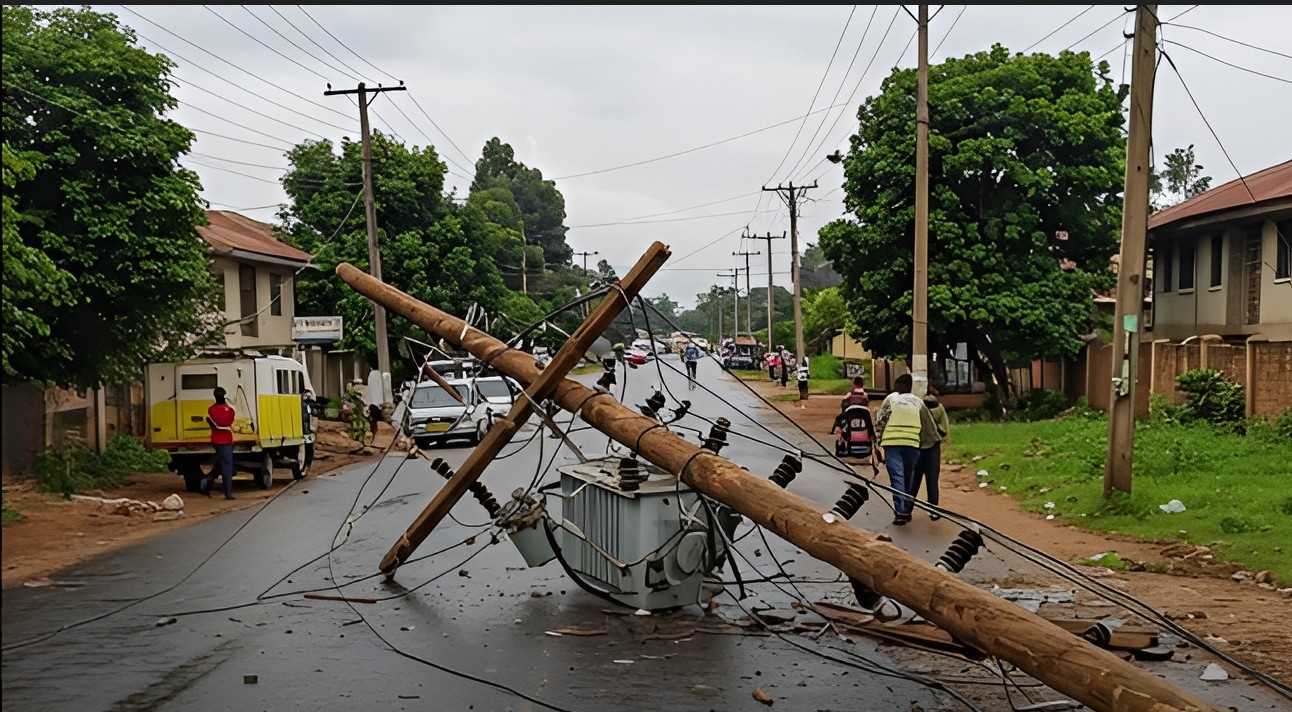
Kenya Power has repeatedly cited ongoing lawsuits that disrupt procurement processes, alongside challenges in acquiring wayleaves for power lines, as major factors slowing connections.
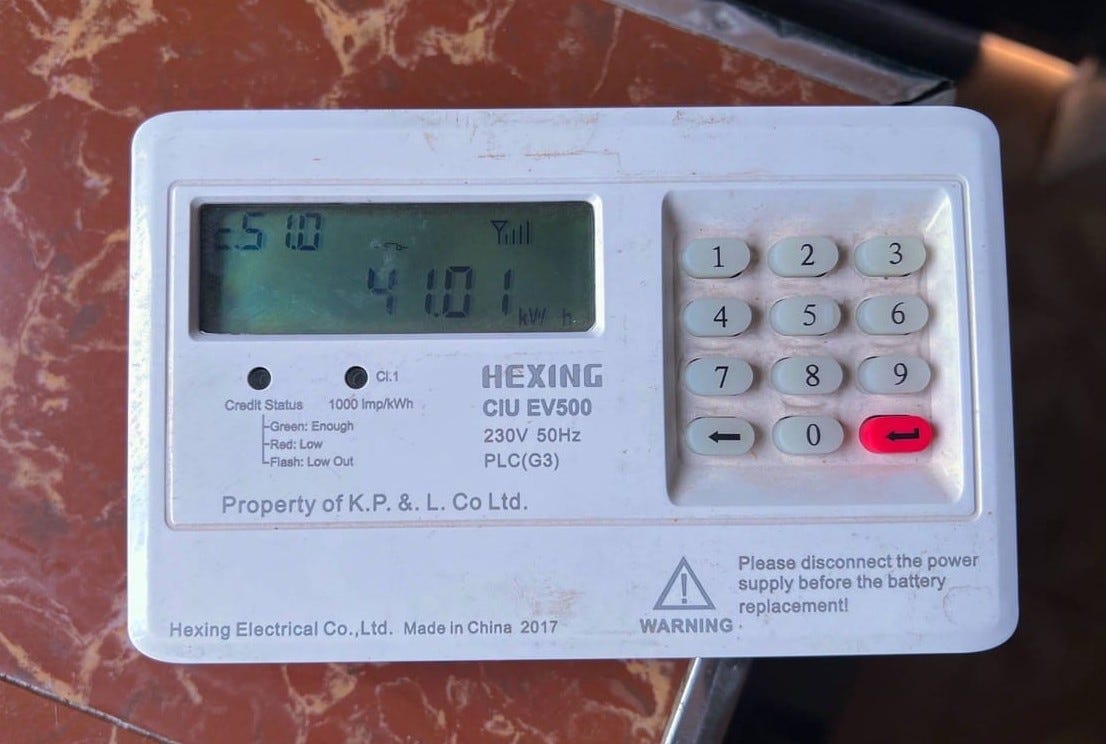
Over 16,000 Kenyans are still waiting in the dark as Kenya Power struggles to procure essential meters and transformers.
According to the firm’s 2025 annual report, the backlog has been fuelled by prolonged material shortages, procurement disputes and wayleave obstacles that have stalled connections for years.
More To Read
- Kenya Power ends manual applications, new connection requests exclusively via website
- 122 electrocuted as illegal connections, encroachment rise - Kenya Power
- County governments owe Kenya Power Sh5.67 billion in unpaid electricity bills - report
- Audit flags leadership vacuum at Garissa University since 2022
- Kenya Power rolls out digital meter reading system to boost billing accuracy
- Auditor General Nancy Gathungu warns of pension losses as government delays remittances
The report shows that some customers have been waiting for more than 20 years despite having paid in full, with delays directly affecting the company’s ability to grow electricity sales.
Kenya Power has repeatedly cited ongoing lawsuits that disrupt procurement processes, alongside challenges in acquiring wayleaves for power lines, as major factors slowing connections.
Auditor General Nancy Gathungu highlighted the scale of the problem, noting, “The balance includes works in progress valued at Sh12,724,014,000 for electricity connections. Review of the list of works revealed that 7,740 projects with a total customer capital contribution of Sh887,821,276 were yet to start, thus denying the customers electricity supply as well as revenue to the company.”
“Management attributed delays in completion of the works to non-availability of materials, wayleave acquisition challenges leading to re-design.”
Despite the setbacks, electricity sales grew by 8.4 per cent to 11,403 Gigawatt-hours, supported by a growing customer base surpassing the 10-million mark. However, total electricity revenue fell five per cent to Sh219.28 billion, while net profit dropped 18.7 per cent.
The audit also revealed that 3,427 customers who had paid Sh564.58 million and others who had paid Sh366.7 million were yet to be connected by June 2025. Litigation over tenders has forced Kenya Power to suspend procurement, creating a backlog of paid-up customers awaiting connection.
Recently, the firm received clearance to proceed with some tenders, opening opportunities to expedite procurement of critical meters and transformers.
Kenya Power has also explored seeking National Treasury and Ministry of Energy approval to use the Specially Permitted Procurement model for urgent purchases.
“Electricity is a key driver of our country's social and economic development. In this regard, the Company continues to onboard more customers to the grid as a key sales strategy and to support Kenya's target of attaining universal access to electricity in line with its development vision,” the firm said.
During the year, the firm connected 401,849 new customers, surpassing a target of 400,000. These include 163,092 Last Mile customers and 238,757 paid-up customers.
The new connections contributed 202.98 GWh to total electricity sales, with Large Power consumers accounting for 54 per cent, ordinary lifeline tariff customers 17 per cent, and other segments 29 per cent.
Customer satisfaction also improved, with the Customer Satisfaction Index rising from 69 per cent to 72 per cent and the Corporate Reputation Index increasing from 63 per cent to 75 per cent.
The company commenced the Government-funded Digital Superhighway project, extending fibre connectivity to over 53,000 public institutions, which will also support smart grid initiatives.
To enhance service delivery, 490 employees were added, raising the workforce to 10,582. Employee satisfaction rose from 67 per cent to 83 per cent*, boosting the Productivity Index from 2.45 to 3.95.
Kenya Power invested in grid stability and efficiency, achieving growth in unit sales by 887 GWh, from 10,516 GWh to 11,403 GWh. Despite these gains, revenue declined by Sh11.84 billion due to lower foreign exchange recoveries and reduced average tariffs.
Finance costs rose by Sh5.4 billion after the reversal of unrealised forex gains, while power purchase costs fell by Sh5.94 billion, even with an additional 682 GWh purchased. Operating expenses dropped by Sh3.86 billion following IFRS 9 model adjustments.
To strengthen energy security, distribution projects were aligned with the 2024–2043 Least Cost Power Development Plan. Kenya Power also negotiated new Power Purchase Agreements and refurbished transmission infrastructure.
The 400kV Kenya–Tanzania interconnector and participation in the Eastern Africa Power Pool expanded capacity for imports and exports, enhancing system resilience.
Top Stories Today